

There are some days when everything feels loud. Your thoughts race. Your nervous system feels overstimulated. Motivation disappears. Even things you normally enjoy can feel difficult to begin.
And yet, many makers instinctively reach for a needle and thread anyway. Not because embroidery magically “fixes” anything - but because repetitive, hands-on creative work can gently regulate the mind and body in ways that modern life rarely allows.
The rhythm of stitching. The focus of following thread through fabric. The quiet satisfaction of seeing something slowly appear beneath your hands.
Embroidery is more than a creative pastime; it can become a calming ritual that helps ground the mind and body.
“In the midst of movement and chaos, keep stillness inside of you.”
Why Stitching Feels So Calming
Creative practices like embroidery, knitting, crochet and hand sewing encourage a state of focused attention that many people describe as meditative.
Unlike passive scrolling or watching television, stitching asks just enough of the brain to interrupt spiralling thoughts without becoming overwhelming. There’s repetition. There’s rhythm. There’s visible progress. And importantly, there’s movement.
On difficult days, action often has to come before motivation - not after it. Sometimes simply threading the needle is the hardest part. Once your hands begin moving, your nervous system often starts to soften alongside them.
1. Start Before You Feel Ready
One of the biggest misconceptions about low mood is that motivation comes first. In reality, behavioural psychology has long shown that action often creates momentum - not the other way around. That means you do not need to feel creative before you begin stitching.
You only need to begin. Not a full project. Not perfection. Just one stitch. Sometimes the smallest creative action is enough to interrupt the freeze state many people experience during stress, burnout or depression.
2. Choose Projects That Mean Something to You
Embroidery becomes even more powerful when the project carries emotional meaning. That could be:
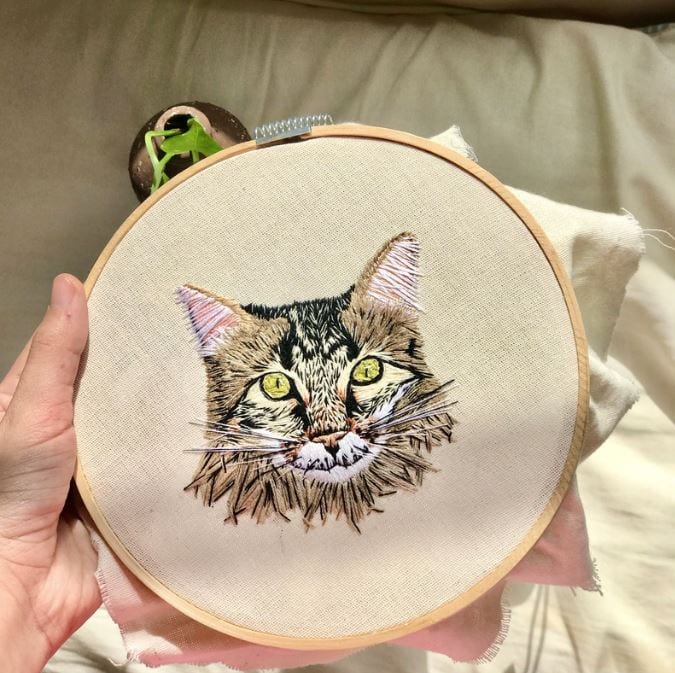
A stitched quote that comforts you, a piece inspired by nature, something made for your home, a handmade gift for someone you love, stitching tied to a memory, place or person. Projects with personal meaning tend to hold our attention more deeply than projects we feel we “should” finish. The process becomes emotional as well as creative.
3. Create a Calm Stitching Environment
Your environment matters more than people realise. Soft lighting, natural daylight, comfortable seating and reducing sensory overwhelm can make stitching feel safer and more restorative for the nervous system.
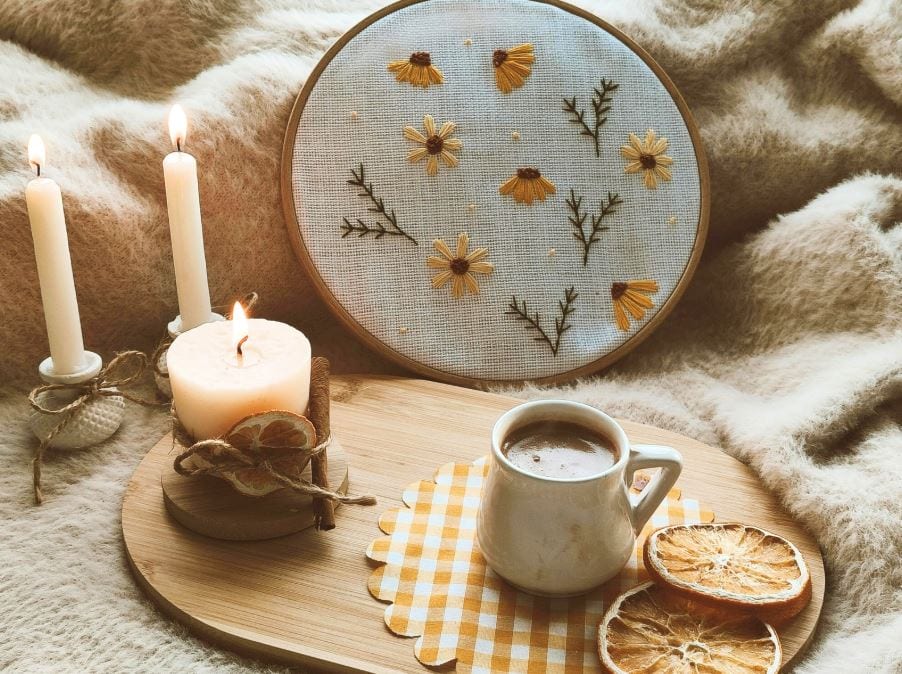
Many makers naturally create small rituals around their craft: making tea first, lighting a candle, putting on gentle music, stitching near a window or outside, working in the same comforting corner of the house
These repeated associations can help signal to the brain that it is time to slow down.
4. Stitch Words You Need to Hear
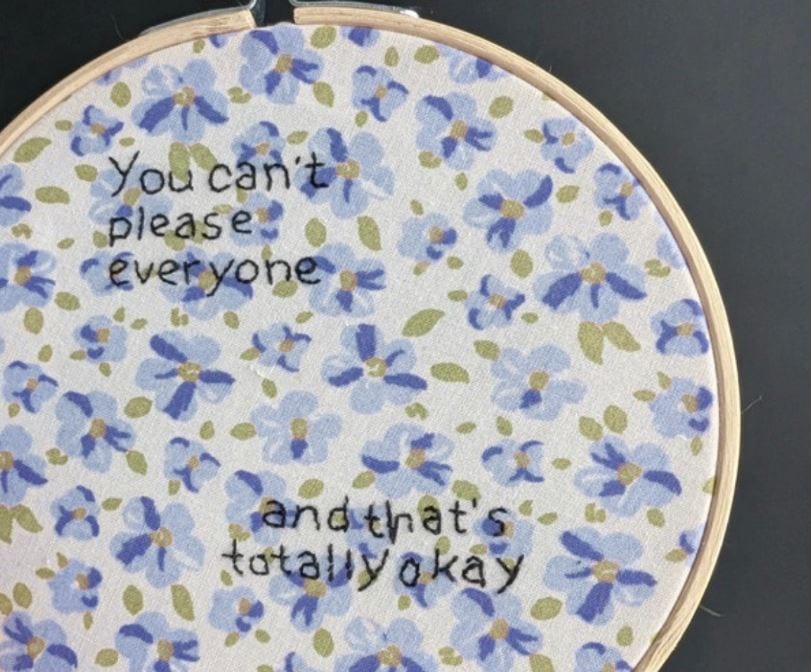
Text-based embroidery and affirmational stitching have become increasingly popular - and it’s easy to understand why.
Sometimes the words we most need are the ones we rarely say to ourselves. A reminder. A hopeful phrase. A gentle truth.
You do not even have to fully believe the words yet.
Simply seeing them repeatedly while your hands move can begin creating a different internal dialogue over time.
5. Use Stitching as “Active Rest”
Rest does not always mean doing nothing. For many creative people, completely passive rest can actually leave the mind noisier. Embroidery sits in an interesting middle ground: calm enough to soothe, active enough to engage the brain. This is especially helpful after emotionally demanding moments: difficult conversations, stressful appointments, overwhelming workdays, periods of emotional dysregulation. Picking up a small embroidery project during these transition moments can help regulate the nervous system far more effectively than endlessly scrolling a phone.
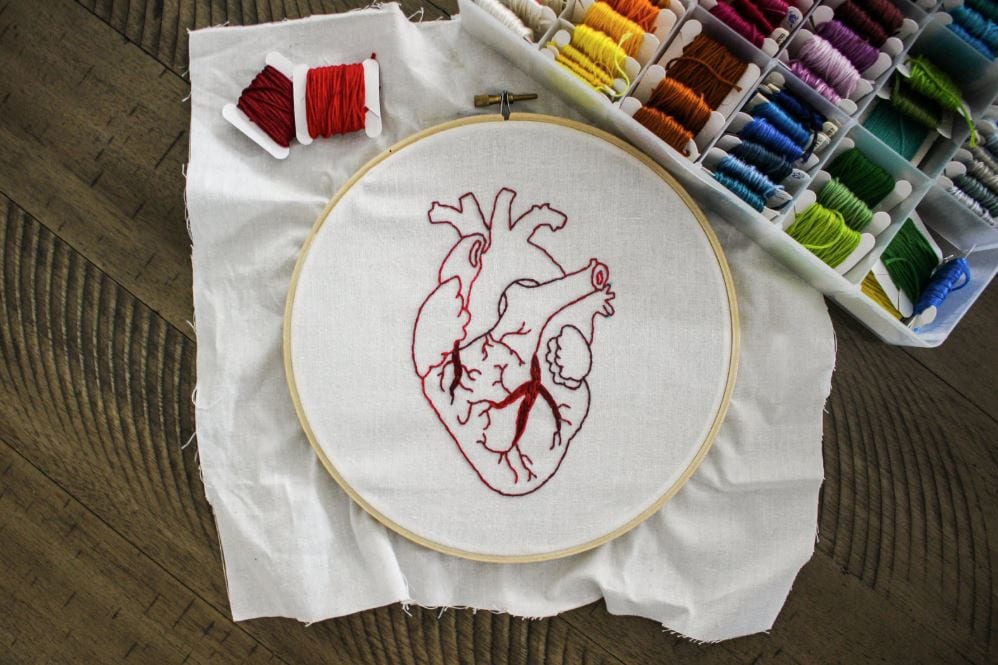
6. Match the Project to Your Energy Levels
Not every day requires an ambitious project. On harder days, simple repetitive stitches may feel best: running stitch, back stitch, satin stitch, repetitive borders or fills. The goal is rhythm, not challenge.
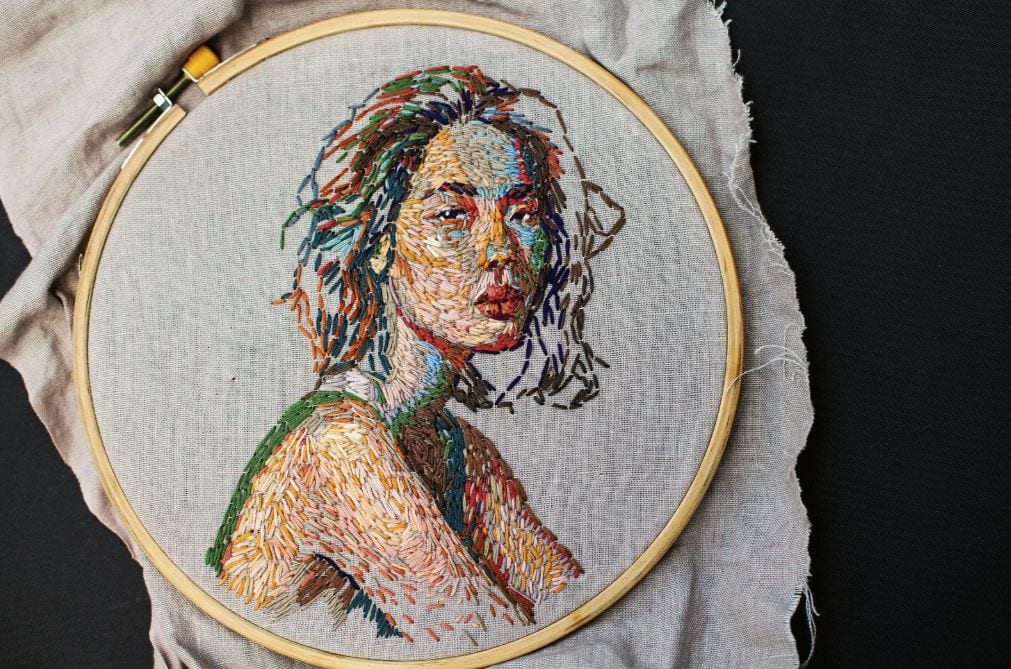
On better days, more complex embroidery can create a state of flow -that feeling of becoming completely absorbed in what you are making.
Learning to match the project to your emotional capacity is a form of self-awareness, not defeat.
7. Creativity & Community Matter Too
Crafting can feel deeply personal, but connection still matters.
Even quiet forms of community can help:
Sharing progress online, attending a stitching group, sewing alongside a friend, joining workshops or creative spaces, simply following other makers for inspiration.
There’s comfort in remembering that people all over the world are creating with their hands too.
8. Imperfect Sessions Still Count
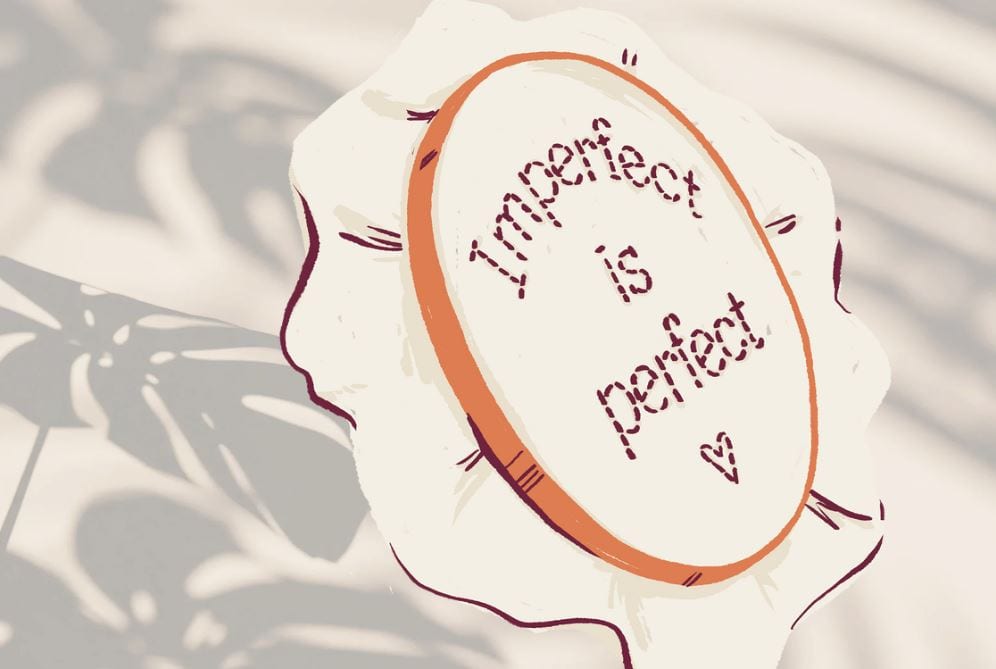
This one matters. You do not need: a finished hoop, perfect stitches, hours of concentration, high productivity, “successful” crafting sessions. A distracted ten-minute stitching session still counts. Unpicking stitches still counts.
Picking up your embroidery and putting it down again still counts. The benefit is often found in the process itself - the slowing down, the sensory focus, the interruption to stress cycles - not just the finished outcome.
9. Notice How You Feel Afterwards
One simple but powerful habit is pausing briefly after stitching.
Ask yourself:
Does my mind feel slightly quieter? Does my body feel less tense? Do I feel more grounded than I did twenty minutes ago?
What small progress did I make?
Over time, this helps reinforce stitching as a supportive wellbeing tool rather than just another unfinished task on a list.
Making as a Form of Gentle Resistance
Modern life constantly pushes us towards speed, productivity and consumption. Crafting asks something different from us. To slow down. To notice. To make instead of endlessly consume. To use our hands. To create something real. That alone can feel healing.
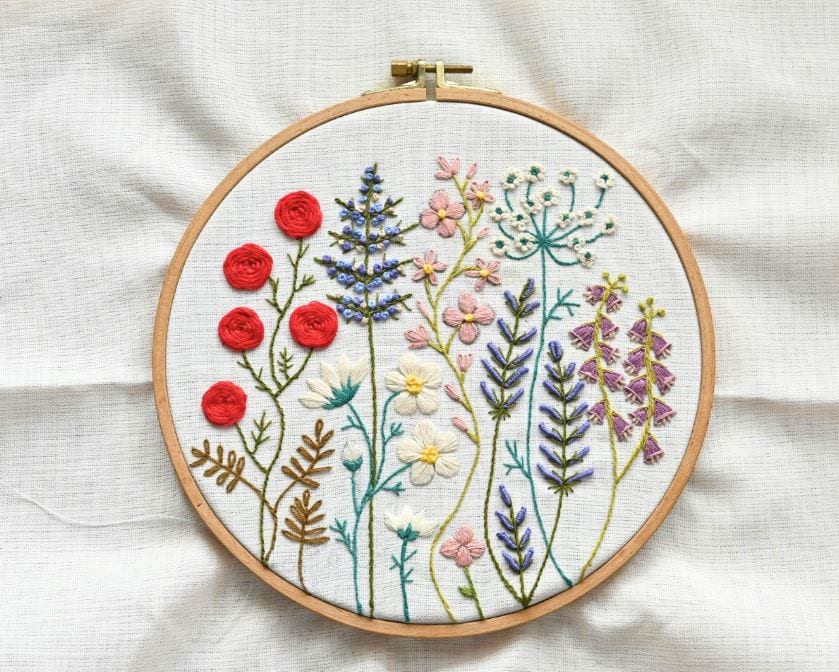
Embroidery will not solve everything. But on difficult days, it can offer rhythm, focus, softness, and small moments of peace amidst the chaos.
Loading latest suppliers...